Trading, A Beginner's Guide to Starting Successfully
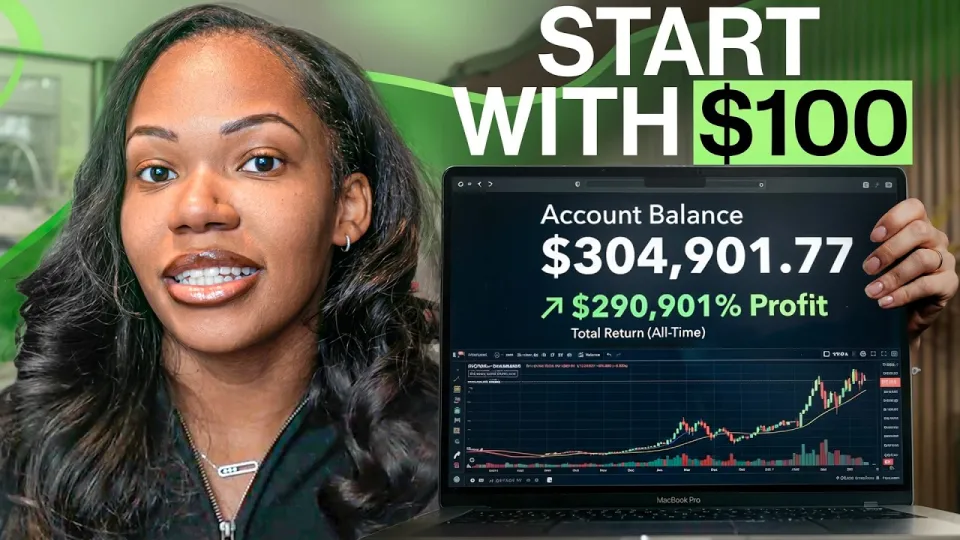
Video: How To Start Trading As A Beginner In 2026 (Step-by-Step)
Want articles like this for your own video to promote it on YouTube and Google? Order them through the Telegram bot @sat_sit_bot. Articles with your video embedded are written and posted by the bot itself — on popular topical sites (no ads). Your first 50 articles are free.
Key takeaways
- Start trading with $300–$2,000, no need for large capital.
- Understand key concepts: calls vs puts, options vs futures.
- Use paper trading to practice before risking real money.
- Recommended platforms: Webull for brokerage, TradingView for charts.
- Master trading psychology to avoid quitting early.
Trading is the process of buying and selling financial instruments like stocks, options, or futures to profit from price movements. Trading is not a get-rich-quick scheme; instead, it requires education, practice, and patience. Beginners can start with as little as $300 to $2,000 and grow their skills through consistent learning and disciplined risk management. For those interested in joining a supportive community and accessing educational resources, the Crystal Academy Discord offers mentorship and guidance.
What Is Trading and What It Is Not
Trading involves actively buying and selling assets such as stocks, options, or futures to capitalize on short-term price changes. It is different from investing, which typically involves long-term holding based on fundamental value. Trading requires understanding market behavior, technical analysis, and risk management rather than relying on luck or tips. It's important to dispel myths: you do not need a finance degree or large capital to begin, and trading is not gambling if approached properly.
Key Trading Instruments: Options, Futures, Calls, and Puts
Options and futures are popular trading vehicles that differ in structure and commitment:
- Options give you the right but not the obligation to buy or sell an asset at a set price before a specific date. Calls are options to buy, puts are options to sell.
- Futures obligate you to buy or sell an asset at a predetermined price and date.
Options are usually better for traders with limited capital and more flexible schedules, while futures require more capital and carry higher risks but can offer bigger leverage. Understanding calls vs puts helps traders speculate on upward or downward price moves with defined risk.
Essential Tools for Beginner Traders
Starting with the right platforms can streamline your learning and execution:
- Brokerage: Webull is recommended for beginners due to its user-friendly interface, no-commission trading, and free stock bonuses upon sign-up at Webull SierraUSA link.
- Charting: TradingView offers powerful charting tools to analyze price action and patterns, essential for technical analysis.
Additionally, practicing through paper trading accounts is crucial. Paper trading lets you simulate trades with virtual money, helping build confidence and test strategies without financial risk.
Three Fundamental Concepts to Master Before Trading Real Money
Before risking capital, focus on these concepts:
- Market Structure: Understand how price moves within trends and ranges.
- Candlestick Reading: Learn how to interpret candlestick patterns to anticipate price action.
- Trading Psychology: Develop discipline, patience, and emotional control to avoid impulsive decisions.
Many beginners quit within the first two months due to losses and emotional stress. Building a strong foundation in these areas greatly improves the chances of long-term success.
Common Beginner Challenges and How to Overcome Them
New traders often struggle with:
- Overtrading and chasing quick profits: Stick to your plan and avoid reacting to every market move.
- Lack of patience: Trading requires waiting for the right setups and managing risk.
- Inconsistent profitability: Use paper trading and small real trades first to build consistency.
- Understanding charts and indicators: Take time to learn chart reading skills and avoid information overload.
Community support, such as joining the Crystal Academy Discord, can provide mentorship and motivation during challenging phases.
Useful Links
- Crystal Academy Discord for mentorship and courses: https://whop.com/c/crystal-academy/youtube
- Webull brokerage sign-up with free stocks: https://www.webull.com/k/SierraUSA
- Sierra Aaliyah Instagram: https://www.instagram.com/sierra.aaliyah/
- Sierra Aaliyah TikTok: https://www.tiktok.com/@sierraxliyah
Conclusion
Starting trading as a beginner involves understanding the basics of what trading is, the key instruments like options and futures, and mastering core skills such as market structure and trading psychology. Using practical tools like Webull and TradingView, combined with paper trading practice, builds a strong foundation. Persistence is key since many quit early due to losses or frustration. For those ready to learn systematically, the Crystal Academy community led by Sierra Aaliyah offers valuable mentorship and support to navigate the trading journey effectively.
Source: How To Start Trading As A Beginner In 2026 (Step-by-Step) · Markdown version
Questions & answers
Do I need a large amount of money to start trading?
No, you can start trading with as little as $300 to $2,000. It's more important to focus on learning and risk management than on starting capital size.
What is the difference between calls and puts in options trading?
Calls give the right to buy an asset at a specific price before expiration, while puts give the right to sell. Calls profit when prices rise, puts when prices fall.
How can I practice trading without risking real money?
Paper trading allows you to simulate trades with virtual funds. This helps you test strategies and understand market behavior without financial risk.
Why do many beginners quit trading early, and how can I avoid it?
Many beginners quit due to emotional stress, losses, and impatience. Building strong fundamentals, practicing consistently, and managing emotions can help you stay on track.